An exciting role has arisen to be part of the NERC funded SUPERSLUG project – to investigate the role of sediment waves from sediment rich floods in the Indian Himalaya. This is a great opportunity to be part of a major NERC funding program and be part of the SUPERSLUG team involving researchers from the Universities of Plymouth, Exeter and Newcastle. The project seeks to reveal new fundamental insights into fluvial sediment transport behaviours following extreme sediment rich flows (SRFs) with an initial focus on landscape adjustments following the February 2021 “Chamoli disaster”, a heavily sediment-laden flood triggered by a rock-ice avalanche which caused extensive loss of life and significant damage to energy and infrastructure in the Indian state of Uttarakhand.
About the role
As a research assistant on this project, your role will primarily be configuring and running a numerical models (the CAESAR-Lisflood morphodynamic model) to simulate and understand the passage of sediment waves or slugs within the river system. You will work closely with senior research staff and the wider project team to analyse and disseminate research findings through relevant journals, conferences, and seminars, in order to further the institution's standing in the Higher Education and research community and contribute to the development of new areas in the field of Earth surface processes. The role also requires working as part of a project team with external partners from the Universities of Plymouth, Exeter and Newcastle. There may also be the opportunity to undertake fieldwork in the Indian Himalaya and engage with Indian scholars and practitioners in support of project goals.
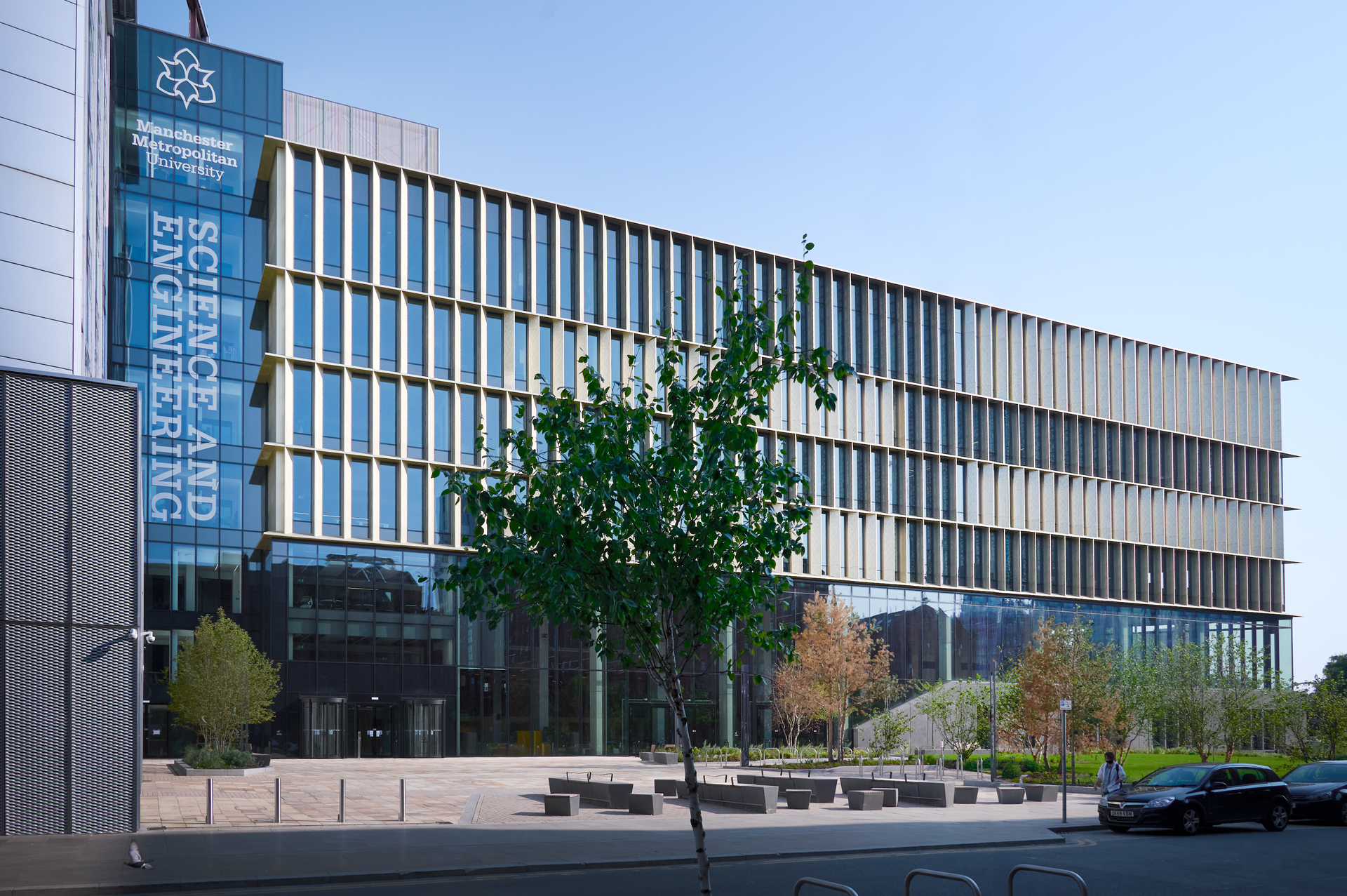
The role is based in the Department of Natural Sciences – that spans the disciplines of Biology, Chemistry, Environmental Science and Geography. The Department delivers courses to over 1,500 students across and has over 80 members of academic staff with ambitious plans for excellent education and research. The Department has a long track record of obtaining research council, EU, charity and government funding and has a growing portfolio of impactful projects. The Department is in an exceptional space, housed in the Faculty's new Dalton Building at the heart of Manchester, and with strong research and teaching performance across the Department.
About you
You will have:
- Proficiency in the application of the CAESAR-Lisflood morphodynamic model for simulating erosion and depositional processes in river systems.
- Experience in using, editing and processing large spatial data sets
- Hold, or be undertaking and working towards a doctoral level qualification; evidence of continuous professional development.
How to apply
Please submit a CV and Cover Letter via our application portal. For any informal enquires about the role, please contact T.Coulthard@mmu.ac.uk
Manchester Metropolitan University fosters an inclusive culture of belonging that promotes equity and celebrates diversity. We value a diverse workforce for the innovation and diversity of thought it brings and welcome applications from all local and international communities, including Black, Asian, and Minority Ethnic backgrounds, disabled people, and LGBTQ+ individuals.
We support a range of flexible working arrangements, including hybrid and tailored schedules, which can be discussed with your line manager. If you require reasonable adjustments during the recruitment process or in your role, please let us know so we can provide appropriate support.
Our commitment to inclusivity includes mentoring programmes, accessibility resources, and professional development opportunities to empower and support underrepresented groups.
Manchester Met is a Disability Confident Leader and, under this scheme, aims to offer an interview to disabled people who apply for the role and meet the essential criteria as listed in the attached Job Description for that vacancy.
Details
- Location:Manchester All Saints Campus
- Faculty / Function:Science & Engineering
- Salary:Grade 7 (£35,608 to £39,906)
- Closing Date:23 March 2026
- Contract Type:Fixed Term
- Contract Length:18 Months from appointment
- Contracted Hours per week:35